Archive for Opinion

Quibbles With the Kentucky Derby

The Kentucky Derby will take place in two days, but in terms of broadcast availability and on-site consumer technology, it feels like an event from previous decades. Churchill Downs has already banned drones and so-called remote controlled aircraft and selfie-sticks, though most of us are probably happy about the latter. The race organizer’s safety ban list includes plucky and niche devices such as laptops, cameras with a 6” lens or longer and camcorders.

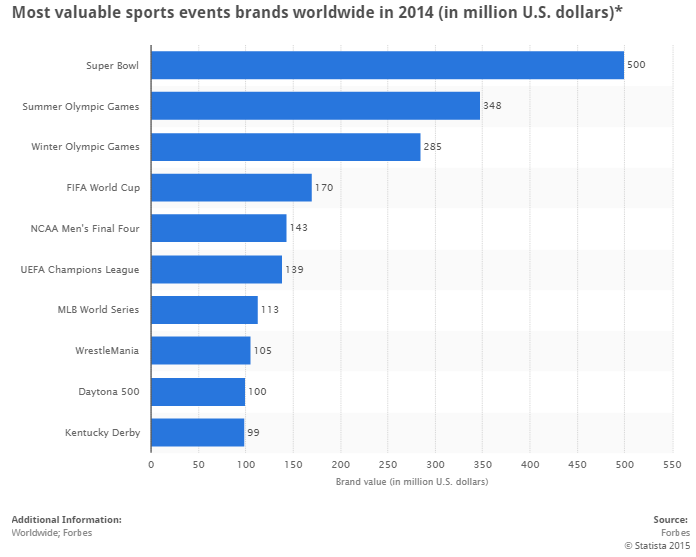
To their credit, mobile phones and tablets are allowed on the premises. There are most definitely legitimate safety concerns at any sporting event, but here you can bring a stroller with you, only if you have a child in attendance. If you bring that same child on a wagon, you’re out of luck though. Maybe I’m wrongfully criticizing the Kentucky Derby; they are by no means the only sport to to ban drones. It didn’t take an FAA act like the Super Bowl nor a county-wide ban like The Masters, however it’s hard for me to be lenient on a sporting event that ranked in the top-10 in brand value last year at $99 million.

brandvalue

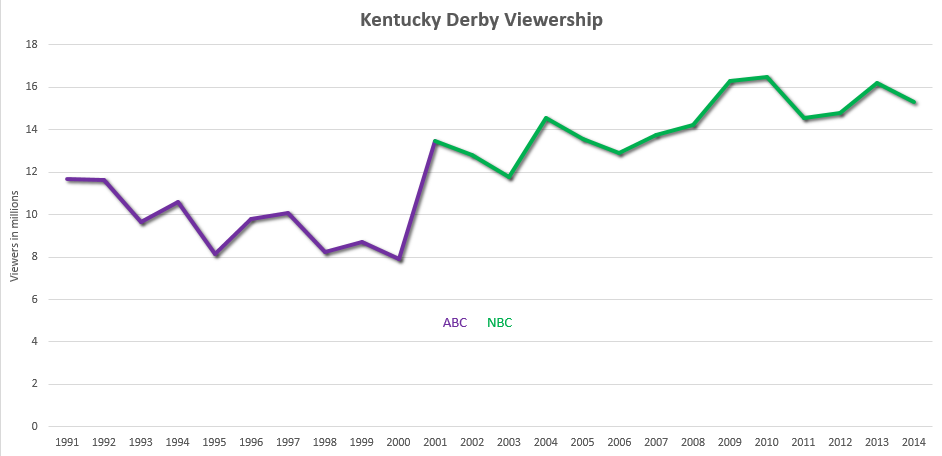
It’s tough to make excuses for the Derby when they’re not even making an attempt to embrace new technology like other race events. Despite my complaints — and animal treatment concerns — viewership for the Kentucky Derby is in a better place than both 10 and 20 years ago. Television views for the Derby have been up and down over the past few years, though they have seen a distinct uptick since NBC took over from ABC in 2001 (click to embiggen).

kentuckyderby

NBC does allow streaming of the race via their Sports Live Extra service, thought that option  demands a qualifying cable subscription. AppleTV and Roku users now have the option to view the race among other NBC Sports exclusives (again with a cable package), though Sling TV, Chromecast and FireTV cord cutters are still left with zero options.

(Header image via NBC)

Esports Injuries Are Piling Up

A torn knee ligament, shoulder surgery and now wrist injuries can be added to the list of career threatening injuries to those making a living playing video games. In the wake of the sudden retirement of League of Legends pro Hai “Hai” Lam where he specifically cites an ongoing wrist injury, it may be time to re-examine our thoughts on esports competitors as athletes. Repetitive strain injuries from tennis elbow to carpal tunnel effect athletes and esports competitors alike.

The United State government already formally recognizes some esports competitors as athletes by granting multiple P-1A visas, given specifically to athletes. While certainly not a normal athletic workload, esports at the highest level has nonetheless produced a long list of injuries, most notably in the wrist and neck, for years.

In StarCraft II, injuries have forced out arguably the best player in the five year history of the game, Jung “Mvp” Jong Hyun. The four time champion of the Global Star League is the third highest earner in prize money with over $400,000 in the bank for his tournament showings. Mvp’s career was derailed when pains in his neck caused numbness in his shoulders and arms.

Canadian player and at one point arguably the best non-Korean player in the world Sasha “Scarlett” Hostyn was temporarily forced away from the game to allow her wrists to recover.

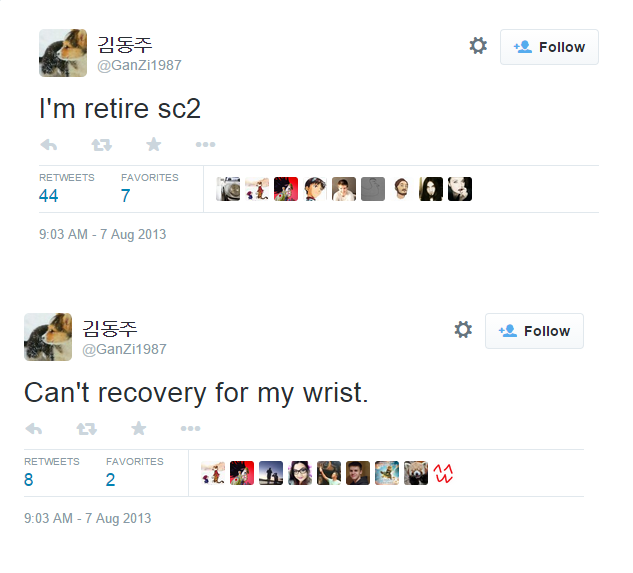
Former competitor Kim “Ganzi” Dong Ju is another victim of wrist injuries, tweeting his retirement announcement and the reason for it.

ganzi

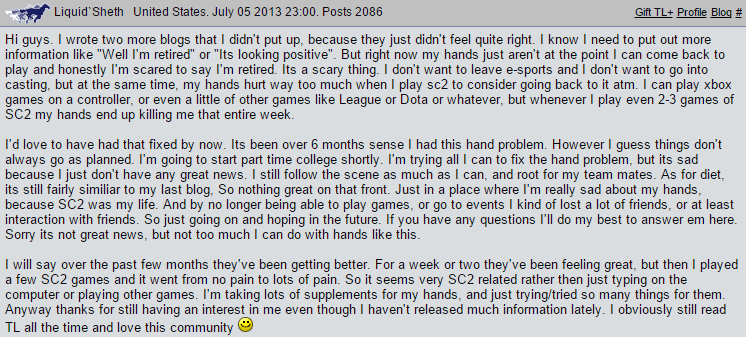
Popular player Shawn “Sheth” Simon was also felled by injuries, citing in a forum post that pain in his hands have prevented him from playing anything more than a handful of matches per week.

sheth

The world of esports is in an awkward position. While getting ESPN2 airtime on a Sunday evening with a Heroes of the Storm collegiate aptly named “Heroes of the Dorm” match is a welcome sight to esports fans as is the emerging scenes across various games, the lack of team infrastructure is alarming. Without any sort of players union or dedicated medical staff, the players lack protection from injuries that have already ended or shortened multiple careers.

(Header image via Wikipedia)

Will Google Save Us From Strict Data Plans?

The tale of two mobile carriers could be at an end. For years Verizon and AT&T have flip-flopped between the being the largest domestic carrier, though not for lack of competition. Soon, perhaps today, Google will announce they’re joining the ranks, but it seems they will be partnered with existing carriers T-Mobile and Sprint. For now it seems as though the Google service will have data priced based on pure usage rather than paying for a set data plan. Still just a rumor at this point and limited to the Nexus 6 phone on T-Mobile and Sprint, Google appears set to dip their toes in the wireless provider market.

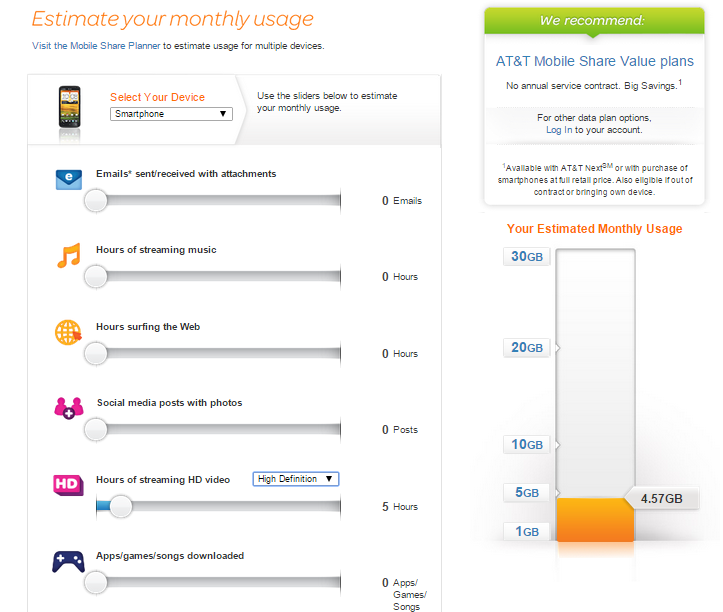
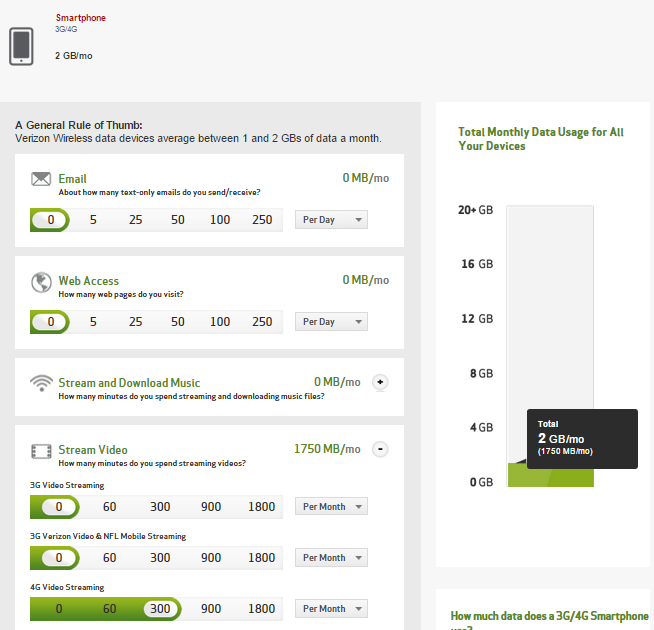
For example, the alleged data plan would not require agreeing to anything resembling current 3GB data plans where if you were to go over said agreed data plan, you’d be hit with overages. Both AT&T and Verizon offer data calculators, however  watching five hours of video (maybe two baseball games) with no emails, tweets etc. account for almost 2 GB. Verizon is partnered with NFL Mobile, but on their calculator the same 300 minutes of streaming the NFL Mobile is counted at 625 MB, barely one third the data usage of the 1750 MB 300 minutes of 4G usage tallies.

planatt plansverizon

In select AT&T and Verizon plans a $15 overage for as little as 250 MB can be applied to your monthly bill. If price is a concern in for your next phone, and it is for just about everyone these days, you may want to avoid Verizon as they don’t even want your business. According to Bloomberg and chief financial officer Francis Shammo, Verizon lost about 138,000 postpaid accounts — a standard account and not prepaid — over the past three months, but Shammo didn’t pull any punches on his thoughts during the quarterly earnings call:

“If the customer who is just price-sensitive and does not care about the quality of the network—or is sufficient with just paying a lower price—that’s probably the customer we’re not going to be able to keep.”

Give how well poorly Verizon’s attempt at a tech blog went, the big red telcom could be out of touch with much of its user base. Perhaps if robots were penning the stories, something Verizon apparently wanted due to strict limitations of news coverage, the site would still be up. Whether they’re alienating their consumers or not, as recently as Q4 2013 Verizon was the biggest carrier in the US, though the latest numbers have them tied with AT&T at 34% of the market each. The table below, powered by Statista, displays carrier market share as far back as the first quarter of 2011.

phoneshare
Google is pushing, or more accurately in some cases dragging, the web as their extensions will soon no longer be compatible with older website designs and now YouTube apps are no longer compatible with many older devices. The advances Google is bounding forward on in web development will hopefully be mirrored on the wireless phone service side of things.


The Dodgers Want to Help You Grow Your Sports-Tech Business

The Dodgers have been on the forefront of a few of the biggest changes in baseball, namely the great western migration of baseball and the integration of the league. More recently, the new(ish) ownership of the club has combined their garish amounts of money with a push toward analytics and put together a team that many expect to compete for the NL pennant in 2015. But their emphasis on innovation does not stop on the diamond, as the Dodgers have announced a partnership with advertising firm R/GA to start a startup accelerator for sports-minded technology and media companies.

The idea is fairly straight forward as far as accelerators go. Various companies in various stages of development apply to be part of the program. If accepted, these companies get a little capital ($120,000 each) as well as access to numerous mentors and strategic partners — including R/GA, of course — to help grow their visions and get their products to market.

What the Dodgers’ interest is in starting such a project remains to be seen. It could be merely for some good PR. They could be interested in buying up any of the companies that impress during the accelerator. Or they could be interested in investing in particularly interesting ideas. The ownership group of the Dodgers are mainly investors, after all.

Say a company in the accelerator puts together a great piece of technology that lets fans check their phones to see how long the bathroom lines are (weird example, I know. This is why I’m not applying). The Dodgers love the idea and have the means and wherewithal to snatch up that company and test their product in Dodger Stadium. It’s a massive hit, and fans of all the other teams are demanding the technology in their favorite ballparks. Bing, bang, boom — the Giants (and every other team) have to pay the Dodgers a handsome licensing fee. The Dodgers make even more money, and parlay that into 18 straight World Series championships.

I got a little carried away there, but you see the point. The Dodgers are a baseball team, yes, but they are also an entertainment company. They operate in a market that is pulling consumers in a thousand different directions. They compete with other high-profile and very wealthy sports teams in their market and a World Series winner not far up the road. It seems silly to think that such a rich baseball team might need a competitive edge, but it’s not. This accelerator proves that the Dodgers are still working to make a competitive team and a competitive business.

The deadline to apply for the program is June 29th. Application instructions and all necessary info can be found on the Dodgers Accelerator web site.

(image via woolenium)


Another Ugly Side of High School Concussions

On top of the obvious ill-effects of traumatic brain injuries, we can add class-action lawsuits to the list. The Illinois High School Association is facing a lawsuit of their own, one also involving concussions, and a legal suit they’ve been involved in since November of last year. The suit against a high school organization is the first of its kind, as previously only collegiate and professional football have been faced with legal action. Where the National Football League will soon be forced to pay hundreds of millions of dollars to former players due to long-term concussion effects, not every governing body or football organization is capable of doing so.

Via the Chicago Tribune, word broke the IHSA filed their first response to the lawsuit, hoping the suit will be dismissed, calling it “a misguided effort that threatens high school football.” The lawsuit does not seek any monetary compensation to previous victims, but rather one to force better prevention and immediate medical care for both games and practices. The closest thing money chasing in the suit is the plaintiff including a provision within the suit for the IHSA to pay for medical testing of previous high school football players going to back to 2002. The suit doesn’t make demands such as the Mayo Clinic recommended CT scan, just to take action in both prevention and treatment. Even if it something as basic as the NFL’s sideline Baseline Test, action is clearly required.

Centered around the IHSA’s desire to see the suit thrown out is the cost of the medical staff and testing. IHSA Director Marty Hickman believes the cost would hurt the less-well off schools in the state, and was quoted saying the sport would turn into “haves and have nots.” Another argument on behalf of the IHSA is in their words within the response “would be unwieldy.” The response goes to to say “If a high school … fails to have a court-ordered medical professional at a football practice, how will such a violation of the Court’s injunction be remedied? Sanction the IHSA? The local school board? The principal? The athletic director? The coaches? All of the above?”

Perhaps no argument is lazier than the “slippery slope” that the IHSA is bringing to the table. The good news is they aren’t claiming or feigning ignorance on the matter of concussions, just crying poor. While showing any semblance of favoritism towards a particular sport isn’t ideal either — someone can get a concussion on the track, the volleyball court, etc. — this suit is particular in its desire to see better attention in the football realm. The IHSA reports having an annual budget of $10 million for over 40 sports and activities across all levels of high schools and claim court mandated would essentially break the bank. For an organization with a television broadcast deal with Comcast/CSN Chicago, the lack of available funds seems to be a weak defense. If the money truly isn’t available for additional medical staff or improved helmets, perhaps a better mouth guard, one already partnered with multiple collegiate teams, is the first step in the right direction. The first hearing is set for 10 days from now.

(Header image via IHSA)

Controlling The Narrative – The Players’ Tribune and Brady Aiken

When Brady Aiken announced last week that he underwent Tommy John surgery to repair the torn UCL in his left arm, he didn’t Tweet it, he didn’t Instagram it and his agent didn’t issue a press release. Rather, the 2014 first overall pick in baseball’s first-year player draft used The Players’ Tribune to publish a column in his voice and to get in front of the story. A strange story filled with little facts, a lot of conjecture and an ending which seemingly screams “I told you so.” It’s the ending that Aiken and his agent want to change. So they did, with the help of Derek Jeter’s digital baby.

Jeter created The Players’ Tribune as a platform for “athletes and newsmakers to share information” as he’s quoted in the About section. On Thursday, David Ortiz used the outlet to complain that he’s the most tested player in baseball for substance abuse. It created enough of a buzz that the New York Times printed an article about the inner workings of the website and how the Ortiz story came about. Read the story if you want to know the details, as it’s a great article. Spoiler alert – the athletes don’t write the story themselves. Also, Santa Claus is your parents.

My interest in this “digital venture” of Jeter’s, as the Times called it, is the idea of controlling the narrative. Michael Wolff succinctly summed up this idea for USA Today:

Among the most prevalent and up-to-date phrases in business, politics and savvy American life is “controlling the narrative.”

That is, telling it your way, before someone else gets to tell it — and possibly tell it better — their way. And getting the public to relate to you on a more intimate level: In a social-media world, being impersonal is being out of it.

And when it comes to the Tribune, an athlete can do all these things with the cleanest image of any super star athlete of any time standing behind him or her. For those athletes with questionable credibility, the hope is Jeter’s iconic integrity can muffle the distractions one brings to a story and allow the reader to really hear the athlete’s voice.

Richard Sandomir’s Times piece echoes the sentiment:

The roster of athletes (and former players) featured on the site is lengthy and has included Jason Collins, Danica Patrick, Billie Jean King, Paul Pierce, Larry Sanders, Tyson Chandler, Eric LeGrand, Elena Delle Donne, Chris Long, Andrew McCutchen and Sue Bird. The accumulated message is that athletes, with help from a website overseen by an image-conscious superstar, can freely tell their stories and share their views as if they were credentialed writers. If they ultimately cannot bypass the ravenous news media in locker rooms or the digital hordes of social media, at least they can better set their own agenda.

When I first read that Aiken posted the news at the Tribune I rolled my eyes. Well, first, my story-idea radar perked up, but then I rolled my eyes.

 13-Jerry-Maguire-quotes

Maybe I’m just being cynical. But how could this in any way keep the media and fans from slapping Jeff Luhnow and the Houston Astros on the back after Aiken and the Astros couldn’t agree to terms because the Astros feared the risk of Aiken’s almost UCL-less (or almost) elbow? Ludnow was crucified and the Astros public perception trampled after the general manager fumbled negotiations and ultimately lost fifth-round pick Jacob Nix as well. As Houston Chronicle reporter Evan Drellich, who has superbly covered the saga, tweeted last week “what Brady Aiken wrote should be taken as a press release.”

To my surprise, it’s kind of worked.

Know this – Aiken’s agent is Casey Close, the same as Jeter’s. Close constantly used the media to try and gain leverage over the Astros during negotiations last summer. Close voicerfously banged the “My client isn’t injured” drum, painted Ludnow as the villain and once the signing deadline expired, appeared to have won the public relations war.

Close recognized that any elbow injury to Aiken would erase everything. Ludnow and the Astros would come out as smart, right and justified. And Close would take the blame as to why Aiken didn’t sign a $5 million offer on the final day of negotiations (down from the $6.5 million initial offer, but up from the $3.1 million low-ball offer), missed a year of pitching development and a probable first-round slide in June’s 2015 draft.

So Close reaches out to his best client ever, Jeter, secures space for Aiken to break the news, and does it his way. Frank Sinatra surely would be proud.

Since last summer, a lot of people have wondered how I could have turned down a multi-million-dollar signing bonus after being picked first in the Draft. Now, I know they’ll probably be wondering about it again. I can honestly say I don’t regret not signing. It was a very difficult decision, but it also was an informed decision based on circumstances only a few people know the truth about. My family and I planned for all the possible outcomes. We weighed the pros and cons, talked with friends and mentors and doctors whose opinions we value and discussed it over a number of family dinners. This wasn’t a decision we made lightly.

Brady Aiken, The Players’ Tribune, March 26, 2015

Close and Aikens attempt to tackle the pending issues head on. First, they spell out why they don’t regret the decision not to sign. And in doing so, they jab the Astros with a quick left to the jaw. “The money wasn’t the only factor to consider,” Aiken wrote. “I wanted to play somewhere I felt comfortable, with a support system I felt would lay the groundwork for a successful and long career. Making sure I had that in place was worth the frustration of not being able to get on with my career sooner.”

Second, the Aiken camp has solely focused on preparing for the 2015 draft. Aiken said he was throwing harder and better, his workouts were his best and he was looking towards the future. The message is that Aiken was ready to be another top five pick in the draft. In fact, he may be a better pitcher than a year ago, despite not playing competitively.

And his final point, he’s just a human being. Just like the fans. He’s hit an obstacle, he’s going to work hard, and God willing, he’ll come out on top.

I already have a plan in place to rehab my arm, and I plan to come back better than ever. I also know God has a plan for me. Injuries are part of the job, but so is coming back. I can’t wait to get back on the mound. I can’t wait to compete again.

And to my surprise, this whole thing kind of worked. Unless I missed it, Houston hasn’t thrown the Astros and Luhnow a parade (which I would’ve done if I was in the GM’s seat). Astros blog The Crawfish Boxes chronicled tweets from media following the news. Drellich wrote the most pro-Astros tweet when he said there wasn’t any doubt that this validates the Astros concern. But then a day later he penned this lede: “If you think Brady Aiken’s Tommy John surgery proves the Astros right about the unsigned draft pick, you’re wrong.” Jim Callis of mlb.com took a more even, rational approach. This does add some credibility back to Luhnow, but no one “won” this.

To each side’s credit, since the Aiken story was published, Close and Luhnow have remained quiet. It’s the smart thing to do, to avoid us hating either one of them more. In the end, this is a story about a gifted teenager caught up in the middle of finances and an ugly negotiation played in the media who has suffered a setback and can’t fulfill his dream of pitching professionally for 16 more months. Aiken isn’t an asset, he’s a young man with a family, dreams and a face – not just a high-priced arm. And had Drellich or Ken Rosenthal or any other baseball reporter broke this story, I think this aspect of the story would’ve been lost.

Players and agents can’t control the media. How boring would that be? SO MANY CLICHES! And just because a player gets in front of their story, doesn’t mean everything is peaches. The media digs, it follows up and it talks to other people in the story, whereas the athlete is giving his or her view. And a good reporter can crush a poorly-handled article “written” by a player, thrashing the credibility they were hoping to gain.

But in this instance, it’s helped. The Players’ Tribune allowed us all to listen to Aiken’s voice first. He set the tone. And unless Close or Luhnow speak up to add to it, this is what the story is. While it may not be the exact ending Aiken and Close hoped for, it’s certainly far better than the one I envisioned — the one where Luhnow wakes up the next morning in a Houston mansion naked in a bath of champagne, monkeys smoking cigars and a “I told you so” tattoo on his bum.

FIFA’s Looks to Reach Out to Fans with New YouTube Programming

Soccer is a massive business. Not just club level play, but international events such as Euro events, Gold Cup, and of course, the World Cup are massively popular and thus massive money makers. Despite the popularity of soccer itself, FIFA has a deservedly wretched standing with many fans. It seems as though the governing body of international soccer has recognized this, and is making veiled attempts to reconcile with fans.

From the outcry of fans regarding Russia’s anti-gay laws while they prepare to host the 2018 World Cup to the thousands of migrant workers who have died building Qatar’s 2022 stadiums, let alone the various corruption charges, FIFA had some serious bridges to rebuild. Perhaps it was the FBI’s investigation to countries bidding for the 2022 World Cup or the drop of major sponsors in Emirates, Sony, Castrol Oil, Johnson and Johnson or Continental, but it appears as though FIFA is attempting to re-brand their image.

On January 29 of this year, Major League Soccer announced their sale of the popular KICKTV YouTube channel to London based Copa90. Last week Copa90 then sent out a press released regarding a joint partnership as they joined forced with Pitch International, just three days after Pitch International sent out a press release saying they partnered with FIFA. The FIFA/Pitch International pairing will consist of PI airing the new show FIFA Football. The show will launch in May and according to Niclas Ericson, FIFA director of television, the show is about all aspects of the game.

FIFA Football is about giving fans a real insight into the game, on and off the pitch. Football is a truly global game and there are so many great moments to celebrate and fascinating stories to share from around the world. We hope this show will help to inspire the next generation to play, engage in and enjoy the world’s most popular sport.

Aiming at the younger generations — not just as players but also fans — by acquiring and partnering with YouTube channels seems to be a savvy move by FIFA. The NFL catered to fans in January by putting sanctioned game clips and highlights on YouTube. Given the amount of heat put on the NFL and commissioner Roger Goodell in the wake of several poorly-handled decisions, throwing service to fans, possibly in a bit of a distraction ploy, was an interesting tactic. Similarly for FIFA, their new partnerships do nothing to apologize for past (and present) missteps by soccer’s most influential organization, however reaching out to fans is at least a positive step for a company not well known for positive press.

(Header image via Facebook)

What Periscope and Meerkat Might Mean for Sports

Periscope and Meerkat are both apps that do pretty much the same thing. They allow a smartphone user to broadcast live video. People can already do that, but these two apps tap into the power of social media, mainly Twitter. Periscope was actually bought by Twitter before it even launched. These apps provide users a way to instantly share immediate video. Think Vine, but without time limits and in the moment. This can be used for frivolous things like people broadcasting themselves eating breakfast, or serious things like streaming video of an explosion in New York City. These apps are only a few days old, but I wouldn’t be surprised to see them branch into sports very soon.

Meerkat and Periscope might be that perfect bridge between live and televised sports. At home, you get all the camera angles and slick replays and a comfy seat and cheaper beer. But there’s obviously something about the game that draws people to see it live. Nobody goes just to overpay for hotdogs. There’s an electricity at live games — there’s a feeling of being part of a shared experience. Teams sell expensive box seats to try and bring the feeling of the living room to the game. Meerkat and Periscope might be able to bring the feeling of the game to the living room — for free.

Say you have some kind of brain damage so you’re watching the Houston Astros on purpose. You’ve been watching the whole game on TV, and now the Astros have managed to mount a comeback in the ninth inning. George Springer is up to bat. You lean in a little closer to the TV when you get an alert on your phone. An Astros fan you follow on Twitter is at the game and is streaming the at-bat from the stands. You click. On TV, you can see the pitcher sweat. On your phone, you can hear the crowd roaring. On TV, you see Springer take a monster swing. On your phone, you see everyone in the stands rise to their feet, jumping and giving high fives. On TV, you see Springer round the bases. You can hear fireworks from both.

Meerkat and Periscope will not replace the feeling of being somewhere. But nothing will, so that’s not the point. These apps are trying to digitize shared experiences. I’m still not sure how or if it will work. But sports seem like the perfect arena. Baseball season is starting. NHL playoffs are around the corner. The Sweet Sixteen is in full swing. The testing space is there, Periscope and Meerkat just need the lab rats.


New Tablet and Second Screening Numbers Released

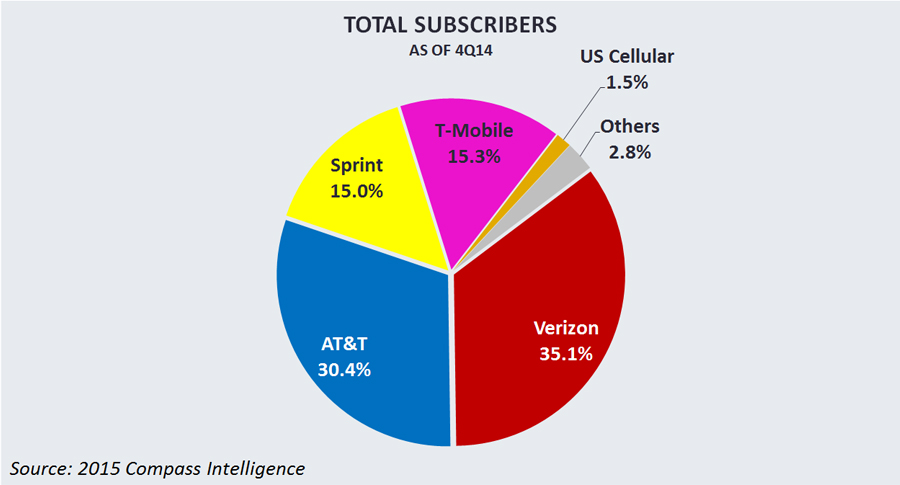
For tablets with data plans — and thus excluding Wi-Fi only variants — Compass Intelligence released numbers for the five largest wireless carriers from last year. More than 19 million tablets were sold with wireless activations in 2014 according to the information. For overall tablet numbers it should come as no surprise to see Verizon and AT&T lead the way, with 35.1% and 30.4% of the activations respectively. Sprint and T-Mobile are nearly tied, with U.S. Cellular and other companies rounding out the chart.

carrier-total-subs

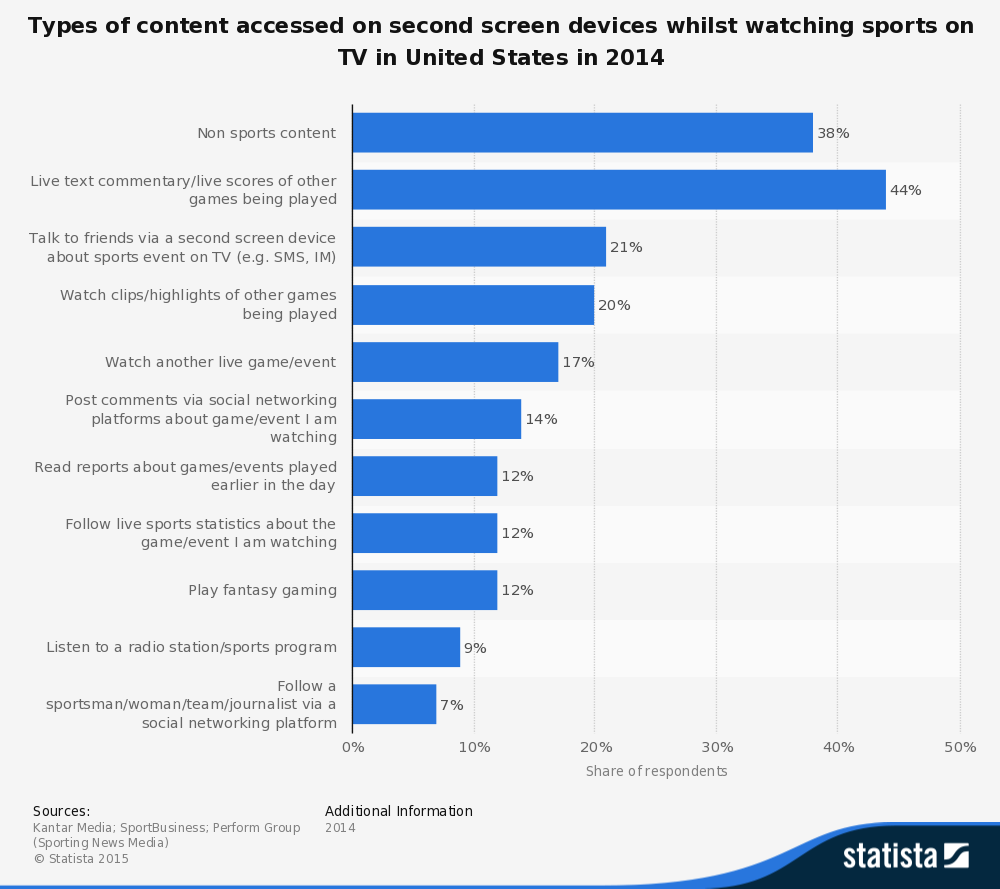
Tablets have certainly found more than just a niche fan base over the years and their sales as well as usage numbers have climbed. Sports leagues and networks have taken notice, particularly as the second screening experience grows more popular. Statista released a survey conducted about second screening in June of last year. A reported 44% of sports fans utilized another screen last year for live scores of other games currently being played, and 1-in-5 fans watched clips or highlights or was talking with a friend about the games. Somewhat surprisingly fewer than 1-in-7 claimed they utilized their screens for social networking or watching a separate live game.

statistic_id316658_types-of-content-on-second-screen-devices-whilst-watching-sports-on-tv-us-2014

Currently in the midst of March Madness, four games are slated today, however two games will overlap each other. Tip off times for 7:15 and 7:45 eastern as well as 9:45 and 10:17, thus ensuring those without multiple TV’s will be forced to either swap between channels or utilize a second screen. With baseball season just around the corner, games happen concurrently every day, though MLB.TV does allow watching four games at once with their picture-in-picture feature. Similarly, NFL Sunday Ticket allows the user to view eight games simultaneously

Presuming the tablet market continues to grow, something the trends suggest would be a safe assumption, count on seeing even more sports fans make the jump to second screening. Already broadcasts are inundated with suggested hashtags, plugs for apps and commercials displaying the best features of online subscriptions. Eventually sports broadcasts may reach the point where second screening is the norm.

(Header image via Digital Trends)

Is YouTube Creating a New Rival to Twitch?

For all of the various competitions getting streamed via TwitchTV, it is unfortunate to see the platform itself does not have any major competition. Yes, ESPN3 has shown esports in the past, Major League Gaming TV is making strides, and Azubu is still a thing, but without another titan to battle, TwitchTV holds all the cards as streaming’s primary go-to website. Cue the whispers of YouTube preparing to re-launch a gaming centered live-streaming platform in this Daily Dot piece.

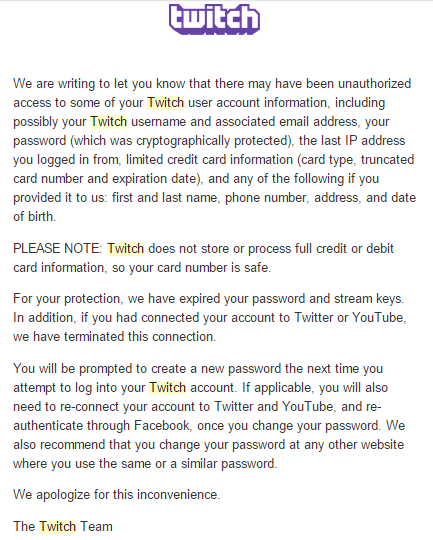
The rumor mill has an acute sense of things given the recent Twitch password issues. While it isn’t on the same scale as Sony storing user passwords in plain text, on Tuesday certain TwitchTV users were hit with the a concerning email. A subject line of “Important Notice about Your Twitch Account” immediately caught the eye of channel owners as the body of the email revealed that unauthorized access within accounts may have taken place:

twitchpolicy

As a relatively long-time Twitch user — my account registration is dated January 1, 2012 and the company officially split from JustinTV in June of 2011 — I can even remember the JustinTV days and the issues that have hampered the streaming platform back then. From out of sync audio and video to levels of lag that turned videos into slideshows, Twitch seems to take one step forward and two steps back in terms of being the best available. Now offering the ability to at least report issues on hand with a few simple clicks, Twitch has nonetheless introduced other problems.

twitchstream

From a sub-par VOD catalogue that lacks a basic search function to their music policy that causes large areas of previous VOD’s getting muted (as indicated by the warning and large red bars), many — myself included — have expressed frustration with the platform.

twitchmusic

Hopes are high that a rival service will end with the companies bringing out the best in each other for the consumers. Google previously showed interest in purchasing the Twitch platform before backing out, but if you can’t join em, beat em.

(Special thanks to the GSL and TakeTV channels)